
Hubble telescope searches for an elusive supernova
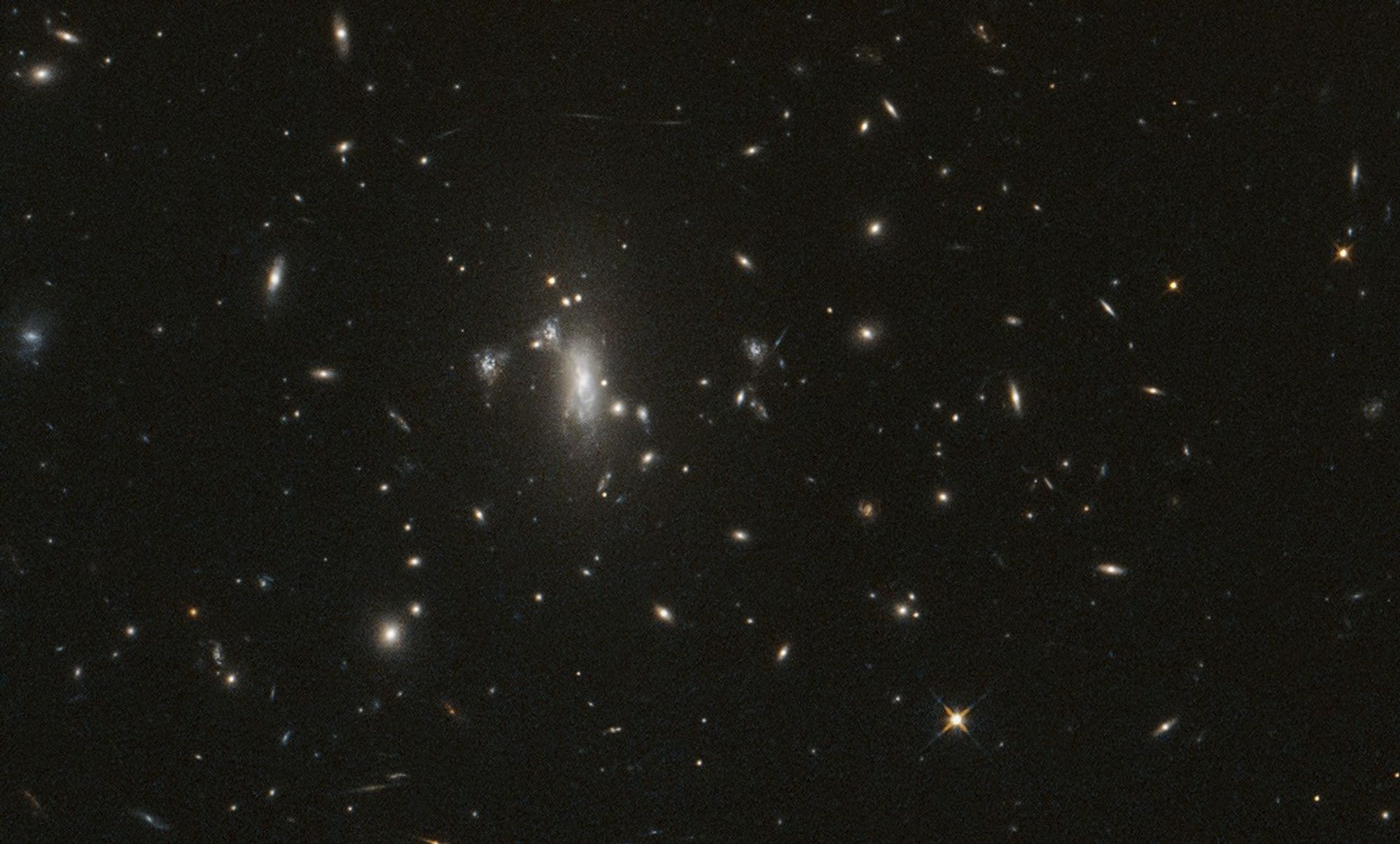
Hubble captured a new image of galaxy cluster MACS J0417 on September 19, 2026, and what’s interesting isn’t just the photo, but what it’s for: this cluster is so massive that its gravity curves space around it and acts as a cosmic magnifying glass, or “gravitational lens.” That means it can take light from objects far behind it and magnify it, while also splitting it into multiple copies.
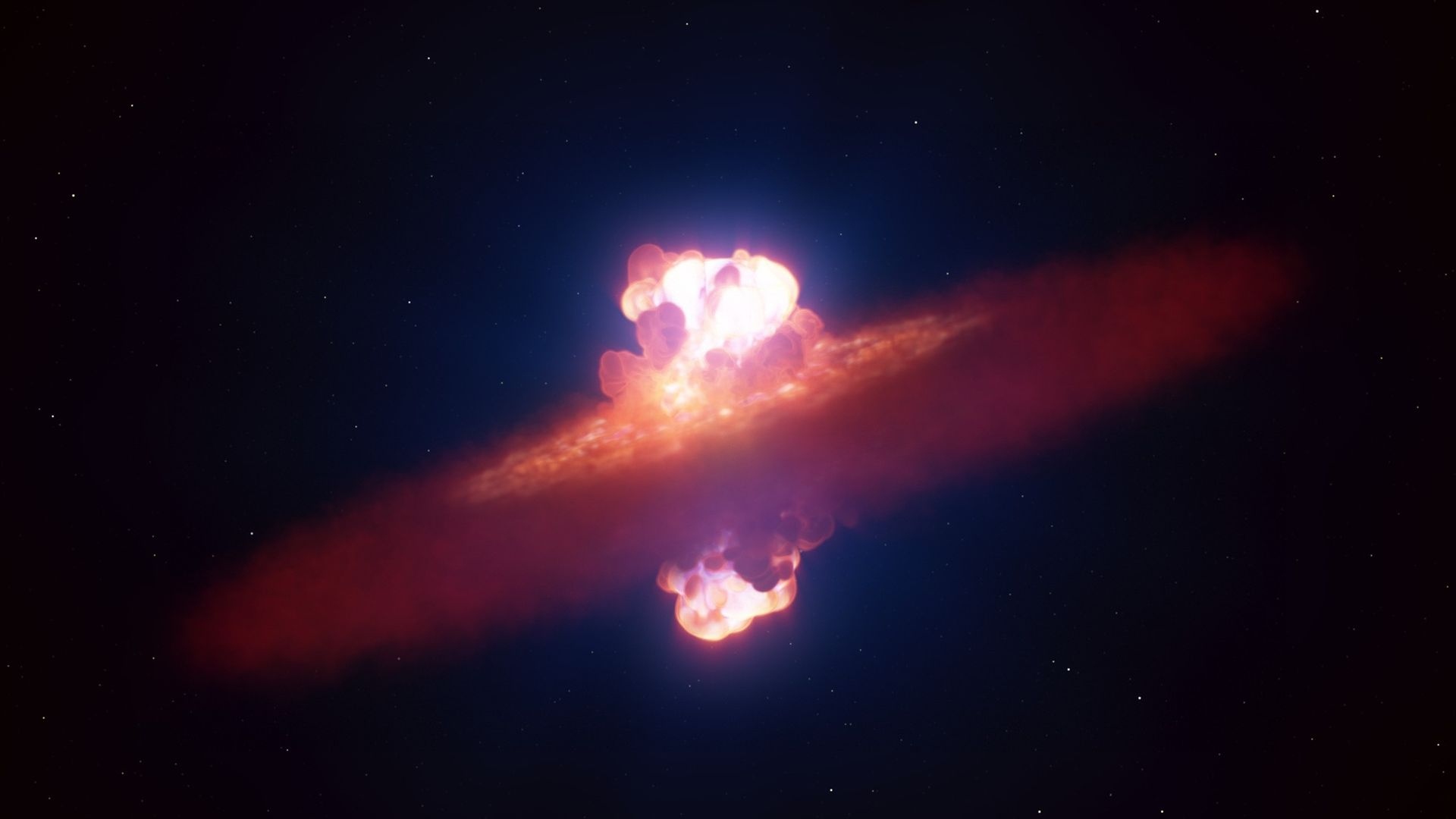
That’s where supernova Athena comes in, discovered by the James Webb Space Telescope in 2025. Since its light travels different paths around the cluster (some shorter, some longer), the same stellar explosion doesn’t appear just once, but several times, at different moments. It’s as if the universe sent us the same news through different routes, each with its own delay.
Why does this matter to astronomers? Because measuring exactly when each “echo” of Athena reappears lets them calculate the cluster’s mass more precisely and, in turn, refine how fast the universe is expanding. The next reappearance is expected before March 2027.
And as an extra bit of trivia: this observation coincided with Hubble completing its 200,000th orbit around Earth on September 19 quite a milestone for a telescope that’s still going strong after more than three decades in service.
#Hubble #SupernovaAthena #NASA #Astronomy #GravitationalLens #JamesWebb #Universe #Cosmos #MACSJ0417 #ExpandingUniverse #Space #Science


