The star that made us believe in aliens (and why we were wrong)
For years, one star made astronomers question everything they thought they knew about how starlight dims.
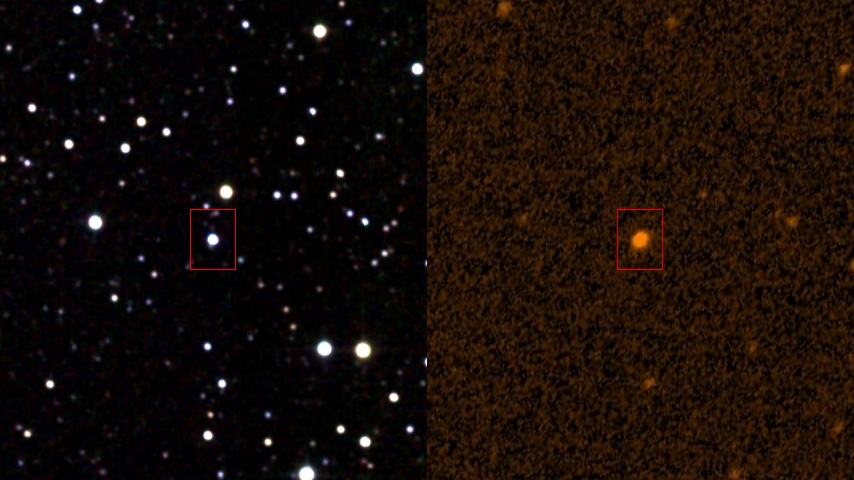
It’s called KIC 8462852, though the world knows it as Tabby’s Star. It sits 1,500 light-years away in the constellation Cygnus, and in 2015 the Kepler telescope recorded something that shouldn’t be possible: its brightness dropped by as much as 22%, suddenly, without warning, and never repeating the same pattern twice.
To put that in perspective: if Jupiter passed in front of our Sun as seen from far away, it would block barely 1% of its light. Something was blocking almost a quarter of that star.
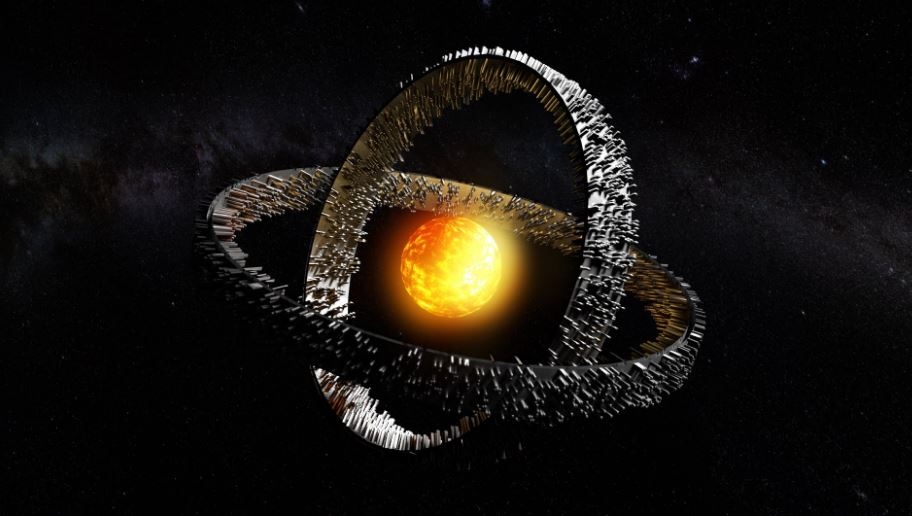
One hypothesis became legend: a Dyson sphere, a megastructure built by an advanced civilization to harvest the energy of its own star. Radio telescopes were pointed that way. There was no signal.
The answer came in 2017, and it came from a beautiful detail: the star dimmed more in ultraviolet light than in infrared. And that’s the key — any solid object, a panel, a beam, a structure, would block every wavelength equally. Only fine dust filters some colors while letting others through.
It wasn’t a civilization. It was a cloud of dust orbiting every 700 days.
But here’s the best part: we still don’t know where that dust came from. Shattered comets? A planet the star swallowed? The mystery wasn’t solved. It just changed shape.
What do you think pulverized all that material?
#Astronomy #TabbysStar #KIC8462852 #DysonSphere #SpaceFacts #Universe #ScienceIsAmazing