Astronomy
-
James Webb’s “Little red dots”: Are they the missing link between black holes and galaxies?
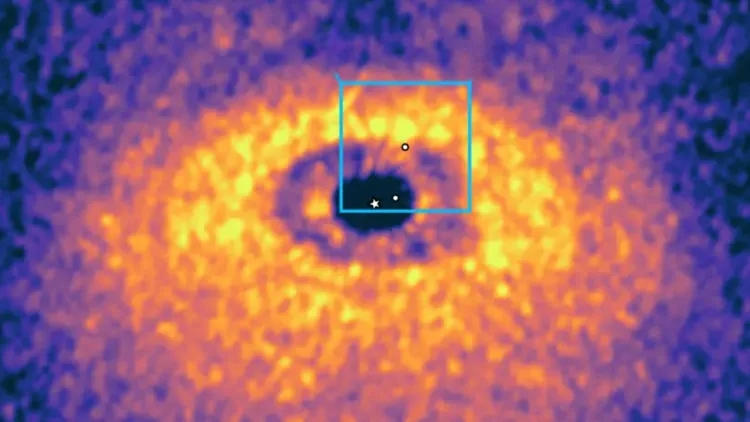
The tiny red dots that are rewriting the history of the Universe Imagine discovering something so bizarre that even veteran astrophysicists can’t agree on what to call it. That’s exactly what happened the moment the James Webb Space Telescope (JWST) opened its eyes on the cosmos in 2022: thousands of tiny red dots turned up scattered across images of the early universe — and four years later, they’re still upending everything we thought we knew about how galaxies are born. What exactly are the “little red dots”? When astronomer Ivo Labbé’s team (Swinburne University of Technology) combed through some of Webb’s first deep-field images, they stumbled on 13 bright red…
-
The 5 Strangest Exoplanets in the Universe | James Webb Telescope
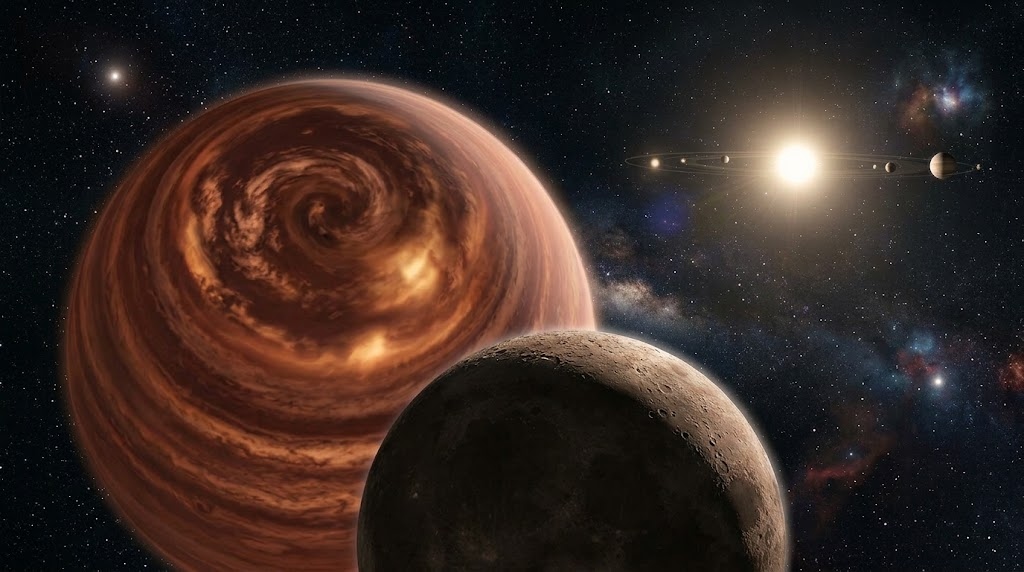
Imagine a planet where it rains molten iron. Another where sunrise and sunset are so different they feel like two separate worlds. One that orbits the remains of a dead star and might rain diamonds. And another that could be entirely covered by a global ocean — with a chemical signal that, on Earth, is produced almost exclusively by life. This isn’t science fiction. These are real planets, light-years away, currently being studied with some of the most advanced telescopes ever built, including the James Webb Space Telescope. In this article, we walk through the five strangest and most fascinating exoplanets discovered so far, backed by verified data and the…
-
The Andromeda Galaxy: The Cosmic Giant Already Traveling Toward Us That Will Change the Universe Forever
What is the Andromeda Galaxy? The Andromeda Galaxy, scientifically known as Messier 31 or M31, is the largest spiral galaxy in our Local Group and the closest neighbor to our Milky Way. With more than one trillion stars inside it, Andromeda is approximately twice as large as our own galaxy and represents one of the most fascinating objects in the observable universe. Its name comes from the Andromeda constellation, in whose direction it can be observed from Earth. In fact, it is one of the few extragalactic objects visible to the naked eye under ideal dark-sky conditions, appearing as a faint, elongated smudge in the night sky. How far is…
-
Artemis 2: The Mission That Brought Humans Back to Deep Space — and Broke the Most Extreme Record in History
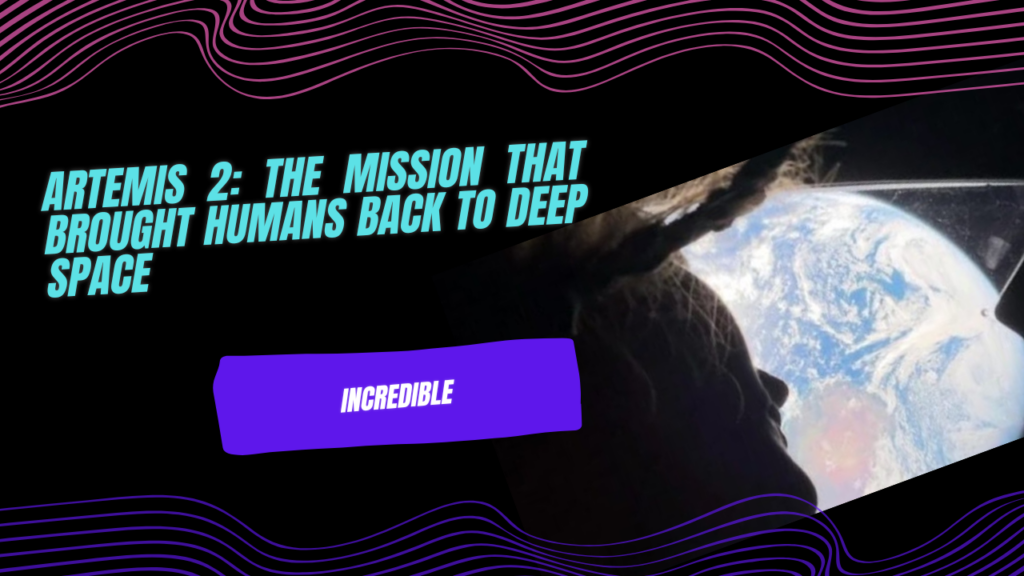
Artemis 2: The Mission That Brought Humans Back to Deep Space — and Broke the Most Extreme Record in History On April 6, 2026, four astronauts aboard NASA’s Orion capsule became the humans farthest from Earth since 1970. They surpassed the record held by the Apollo 13 astronauts for over 56 years, reaching a distance of 406,771 kilometers from our planet. This achievement marks the beginning of a new era in human space exploration: the Artemis era. In this article, we cover everything you need to know about the Artemis 2 mission, its historic milestones, the astronauts who made it happen, and what comes next for NASA’s lunar program. What…
-
Artemis 2: The Night Humanity Looked the Moon in the Eye Again
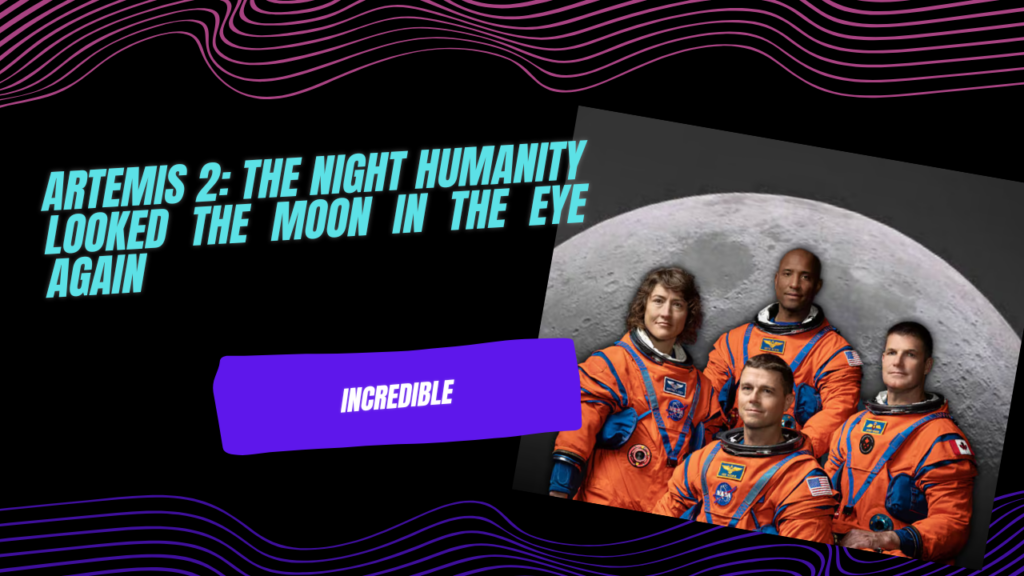
Humanity Returns to the Moon: Artemis 2 Completes TLI Burn and Sets Course for Our Satellite After more than 50 years since Apollo 17, four astronauts are today traveling toward the Moon following a fully successful translunar injection burn. The Artemis 2 mission represents the most significant milestone in crewed space exploration since the Apollo era. This is not merely a test flight — it is proof that humanity has recovered the technological capability, political will, and human courage to venture once again beyond low Earth orbit. On board are four astronauts who together hold a series of historic firsts never seen in more than six decades of crewed space…