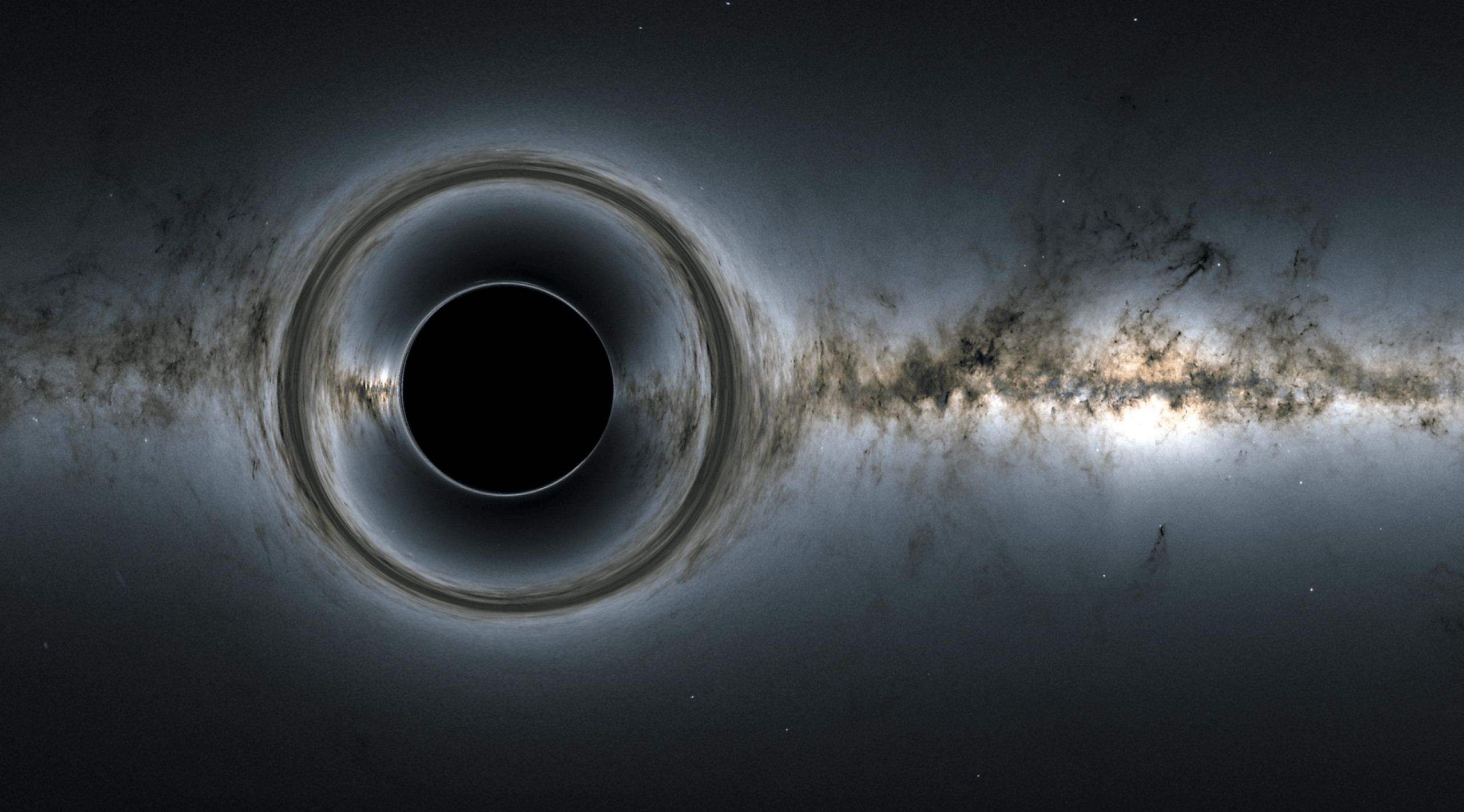
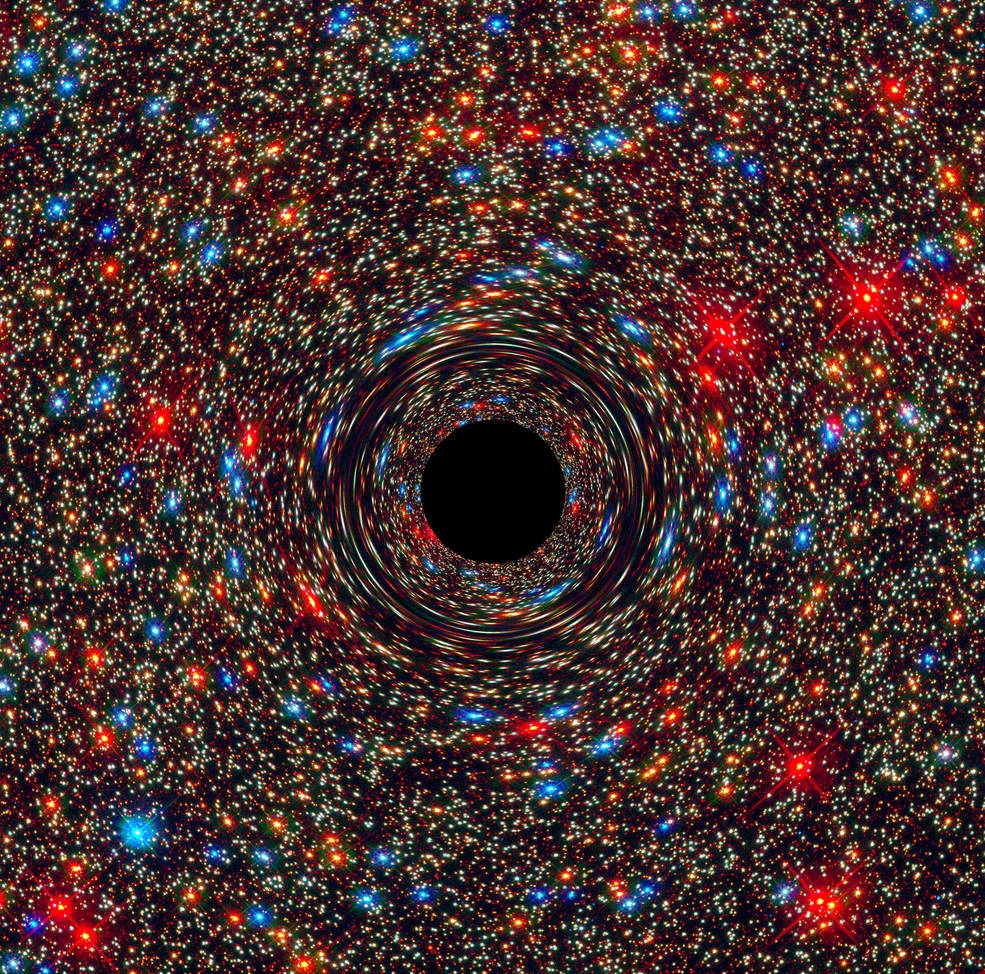
Rogue black holes act as cosmic archivists. When galaxies collide and merge, a black hole can get knocked out of its galaxy’s center and wander for billions of years. Yet its present-day location still preserves a record of how its home galaxy was assembled.
In the ASTRID simulation (which traces about 13.5 billion years of cosmic history), low-mass galaxies with a central black hole stopped forming stars earlier than those with wandering black holes. These wanderers could also help settle an open debate: whether the first black holes came from collapsed massive stars (“light seeds”) or from direct collapse of gas clouds (“heavy seeds”).
The study, led by Emma Jane Weller (Yale), was published Sept. 7 in The Astrophysical Journal Letters.
#BlackHoles #RogueBlackHoles #WanderingBlackHoles #Astronomy #Universe #Galaxies #Cosmos #SpaceNews #Astrophysics #ScienceNews #Space #FunFact