Artemis 2: The Mission That Brought Humans Back to Deep Space — and Broke the Most Extreme Record in History
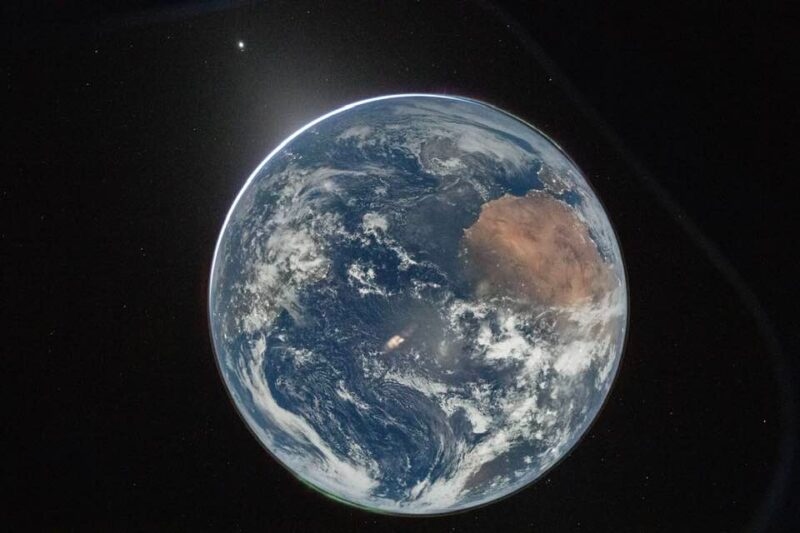
On April 6, 2026, four astronauts aboard NASA’s Orion capsule became the humans farthest from Earth since 1970. They surpassed the record held by the Apollo 13 astronauts for over 56 years, reaching a distance of 406,771 kilometers from our planet. This achievement marks the beginning of a new era in human space exploration: the Artemis era.
In this article, we cover everything you need to know about the Artemis 2 mission, its historic milestones, the astronauts who made it happen, and what comes next for NASA’s lunar program.
What Is the Artemis 2 Mission?
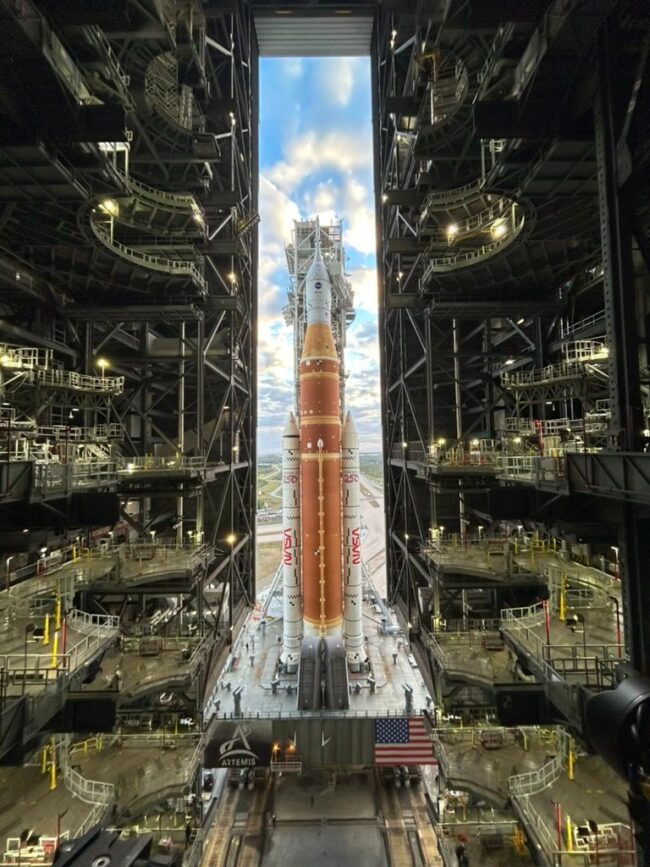
Artemis 2 is the second mission of NASA’s Artemis program — the most ambitious undertaking by the American space agency since the Apollo missions. Its primary goal at this stage was to carry a crew of four astronauts around the Moon along a figure-eight trajectory, without landing on the lunar surface. This mission serves essentially as a dress rehearsal before the actual Moon landing, currently planned for Artemis 4 in 2028.
Unlike the uncrewed Artemis 1 mission in 2022, Artemis 2 carried human beings into deep space for the first time since Apollo 17 in December 1972. More than 50 years later, humanity ventured once again beyond low Earth orbit.
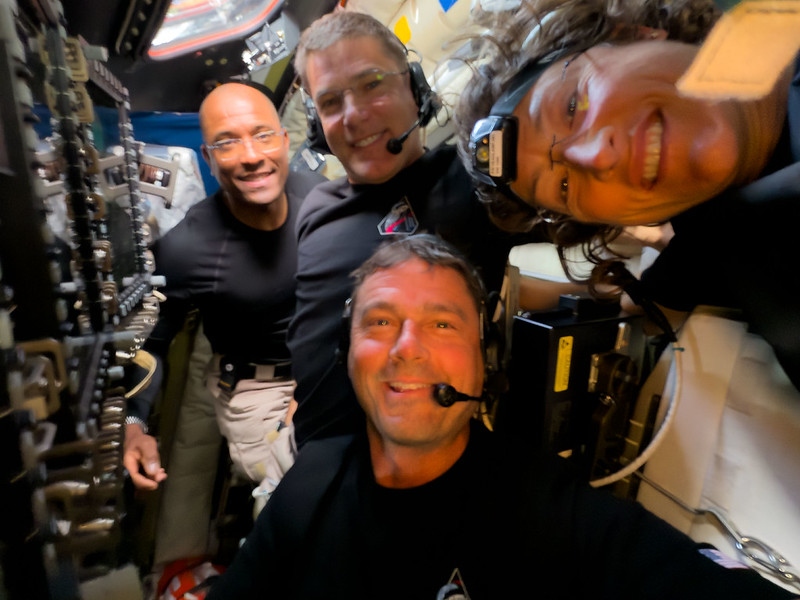
“It is absolutely spectacular, surreal… There are no words to describe what we are seeing through this window.” — Commander Reid Wiseman, from lunar orbit.
The Historic Milestones of Artemis 2
1. The Distance Record — 406,771 km from Earth
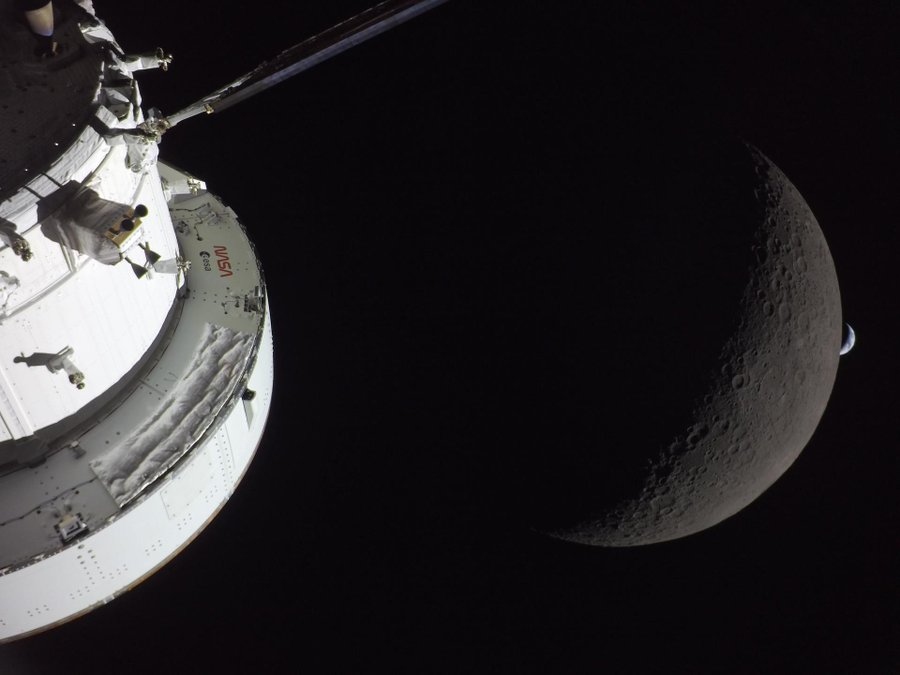
The mission’s crowning moment came as the Orion capsule flew over the far side of the Moon, approximately 4,600 km above the lunar surface. Out of contact with Earth for 40 minutes, the crew reached the greatest distance ever traveled by a human being: 406,771 kilometers. The previous record had been held by the Apollo 13 astronauts since 1970, at 400,171 km.
2. The Far Side of the Moon, Illuminated
For the first time in history, human beings gazed upon portions of the Moon’s far side bathed in sunlight. During the closest flyover, 21% of the far hemisphere was illuminated, revealing craters and landscapes that remained in darkness throughout the Apollo missions. The crew also witnessed at least four flashes caused by micrometeorite impacts on the lunar surface.
3. A One-of-a-Kind Solar Eclipse
Upon emerging from the far side and reestablishing contact with Earth, the astronauts witnessed something no human had ever seen before: a total solar eclipse from the lunar perspective. For approximately one hour, the solar corona — the Sun’s faint outer atmosphere — formed a luminous halo around the Moon. With the Sun fully blocked, the crew also enjoyed a breathtaking view of the stars in the depths of space.
4. The Most Emotional Moment: Craters Given Names
Perhaps the most moving instant of the entire mission came when the crew proposed naming two lunar craters. Canadian astronaut Jeremy Hansen suggested calling one of them “Integrity,” in honor of their own spacecraft, the Orion capsule. The second, located on the boundary between the near and far sides of the Moon, was proposed as “Carroll,” in memory of Carroll Taylor Wiseman — the late wife of Commander Reid Wiseman, who passed away in 2020.
The Crew of Artemis 2
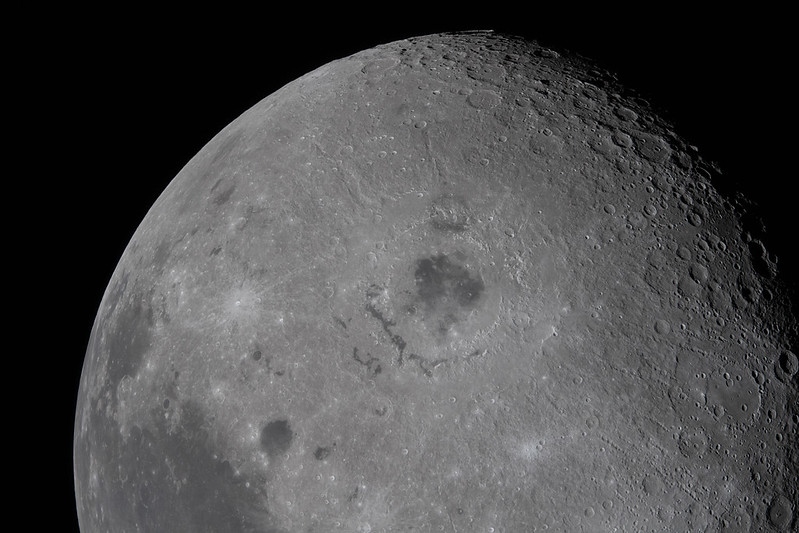
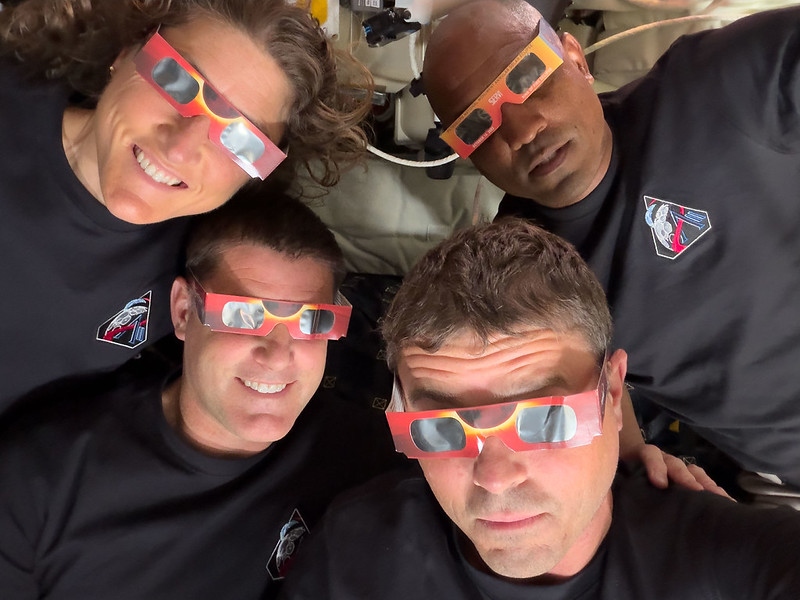
Four astronauts starred in this historic mission:
Reid Wiseman (Commander) — NASA astronaut with experience aboard the ISS. He served as Chief of the Astronaut Corps prior to Artemis 2.
Christina Koch (Mission Specialist) — The first woman to participate in a deep space flight. Renowned for the first all-female spacewalk in 2019.
Victor Glover (Pilot) — Naval aviator with over 3,000 flight hours across 40 types of aircraft. A veteran of the SpaceX Crew-1 mission.
Jeremy Hansen (Mission Specialist) — Representative of the Canadian Space Agency (CSA). Former fighter pilot. His first spaceflight.

The Launch and Trajectory
The Artemis 2 mission launched on April 1, 2026, aboard the Space Launch System (SLS) rocket — the most powerful ever built by NASA, weighing 2.7 million kilograms. The following day, April 2, the trans-lunar injection (TLI) burn was executed, lasting 5 minutes and 55 seconds, propelling the Orion capsule out of Earth’s orbit and toward the Moon. The burn was described by ground teams as “very good.”
The spacecraft followed a free-return trajectory — the same safety strategy used during the Apollo program: even without additional engine burns, the capsule would have looped around the Moon and returned to Earth on its own through gravitational force. Following the lunar flyover, Artemis 2 began its journey back to our planet, splashing down off the coast of San Diego on April 10, 2026.
What Comes Next? The Future of the Artemis Program
The Artemis 2 mission is not the destination — it is the path. In March 2026, NASA Administrator Jared Isaacman announced significant changes to the program:
Artemis 3 will no longer land on the Moon. It will remain in low Earth orbit to “get back to basics,” testing complex systems such as docking and spacesuits. Launch is expected for mid-2027.
Artemis 4 and 5 (2028) will be the first missions to bring humans back to the lunar surface, specifically to the South Pole, where large deposits of water ice exist. Water contains oxygen, which would allow astronauts to stay longer.
A permanent lunar base is the program’s ultimate goal — establishing a sustained human presence on the Moon as a stepping stone toward Mars.
The 21st-century space race is well underway: China is advancing its crewed lunar program and has cleared critical milestones with its Long March-10 rocket and the Lanyue landing module. Administrator Isaacman acknowledged that “competition is good” and that the model of launches every three and a half years was not sustainable.
Why Does Artemis 2 Matter?
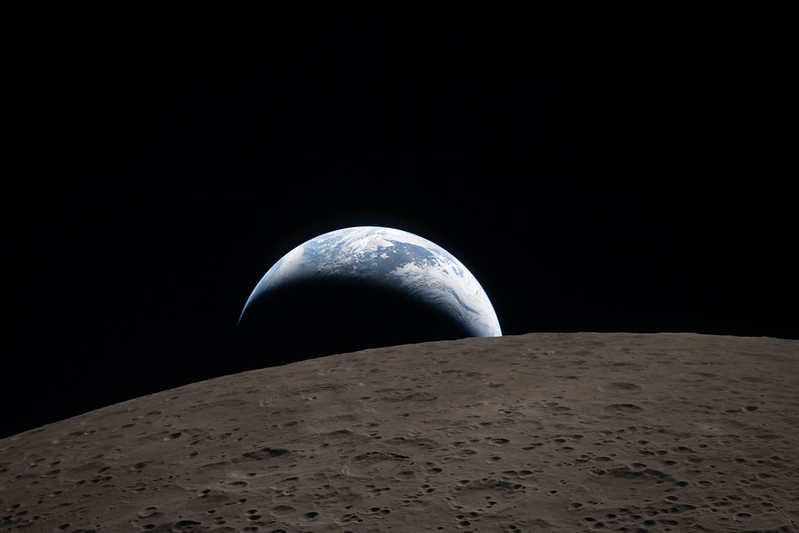
Beyond the records and statistics, Artemis 2 represents a paradigm shift in human space exploration. For more than 50 years, humans were confined to orbiting Earth aboard the International Space Station. Artemis 2 proved that humanity can once again venture toward the Moon and beyond.
The coming years will be decisive: if the program advances as planned, we will see the first humans walk on the Moon since 1972 in less than three years. And if NASA’s most ambitious dreams are realized, the Moon will be only the first stop on a journey toward Mars.
“Someday, future historians might look back at our time — and at the Artemis missions — as the moment humanity took a true giant leap into space, perhaps this time to stay.” — EarthSky.org
Artemis 2 was far more than a test flight: it was a historic milestone that reminds us that human space exploration is far from over. With a distance record shattered, a one-of-a-kind solar eclipse witnessed from space, the far side of the Moon seen in sunlight for the first time with human eyes, and a heartfelt tribute to Carroll Wiseman permanently inscribed in lunar cartography, this mission will stand alongside the great moments of the space age.
Humanity is looking at the Moon again — and this time, it plans to stay.